Buying a new roof in North Vancouver
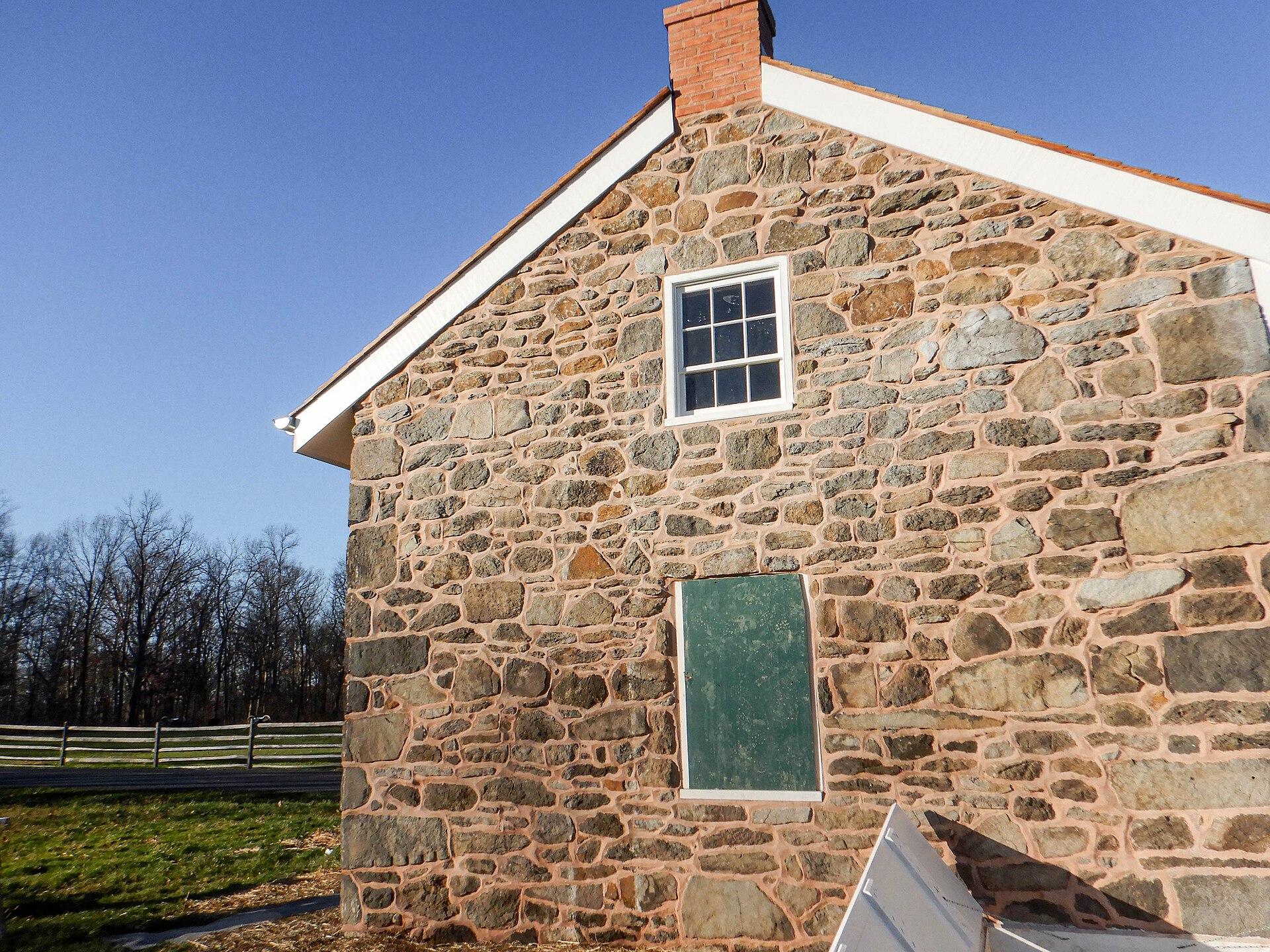
The City of North Vancouver — about 58,000 people pressed between Burrard Inlet and the mountains — is a separate municipality from the District of North Vancouver that wraps around it, and for a roofing buyer that distinction is practical: two permit offices, two sets of rules. Inside the City line the stock runs from Moodyville's cottage streets — some of the oldest housing in Metro Vancouver, mill-worker homes from the 1890s onward — through the character homes climbing Central Lonsdale, to the steep-pitch roofs around Grand Boulevard and the post-war infill and low-rise apartments across the rest of the grid. The roofing story is the meeting of the region's oldest houses with its wettest weather: century-old board decks, hand-built flashings and slopes that have been rained on harder than anywhere else in Metro Vancouver.
Permits and bylaw rules
The City's permits pages (cnv.org/business-development/permits-inspections) state that a building permit is required for "most construction, renovation, and demolition projects," but unlike Vancouver across the inlet — which puts roofing on a no-permit list — the City of North Vancouver publishes no roofing-specific exemption that a homeowner can check against. So the practical move is backwards from neighbouring cities: before work starts, get written confirmation from the City's building staff (permitapplications@cnv.org) on whether your like-for-like re-roof needs a permit, and let the contractor make that call, not you after the fact. Work that goes past re-covering — rebuilt dormers, a changed pitch, replaced rafters — is permit work everywhere on the North Shore. And if the house turns out to sit in the District rather than the City, the permit question moves to a different municipality entirely.
The wettest roof in the region
No long-running station sits inside the City line; the bracket around it is dramatic. West Vancouver, on the slopes above, recorded roughly 1,180 to 2,840 mm of precipitation a year across 2001–2025 (westvancouver.weatherstats.ca), while Vancouver airport across the inlet recorded roughly 860 to 1,370 mm (vancouver.weatherstats.ca) — City roofs live between those numbers, and the ground rising toward Grand Boulevard runs nearer the wet end. On the roof that means three regional certainties, turned up. Moss and lichen are near-universal on shaded slopes and cleaning plus treatment during a re-roof is standard practice, not an upsell. Months of wind-driven rain and the winter outflow gales hunt out every weak valley, skylight and chimney flashing, so self-adhering membrane at eaves and valleys and a wind-rated nailing pattern matter as much as the shingle itself. And the steep ground and creek ravines — Mosquito Creek cuts straight through the city — put real water past every lot in a storm, so the gutter and downspout system is part of the roof.
The season
The dry window runs roughly May through September, and on the North Shore the rain returns early — count on steady storms from late September or October rather than November. Book in spring for a summer slot; a late-season tear-off here needs a written plan for overnight tarping, wind delays and the gales that follow.
What drives the price
Quotes move most on age, pitch and access. Century homes bring steep slopes, dormers and fragile trim to protect, board sheathing replaced sheet by sheet, and cedar shake under later asphalt that costs more to strip and dispose of; post-war houses are simpler but often carry moss and flashing work that wet-climate roofs don't forgive. City lots are tighter than the suburbs and many streets climb, so staging, debris chutes and protecting the neighbours are real line items. Material grade, chimney and skylight work, moss treatment and gutter upgrades round out the differences. For tax, a re-roof in BC is a real property contract: the contractor pays the 7% PST on materials and builds it into the price rather than adding a separate tax line (www2.gov.bc.ca, "PST for real property contractors"), so ask whether each quote is PST-in on both labour and materials.
What to ask each North Vancouver roofing contractor
- Have you confirmed with the City whether my like-for-like re-roof needs a permit — and can you put the answer in writing before we sign?
- What underlayment and membrane go at the eaves and valleys for this much rain, and what nailing pattern do you use for the winter outflow winds?
- How do you handle moss on the old roof — treatment, disposal, and protecting gutters and gardens from tear-off debris on a tight lot?
- What happens to the price if you find rotten board sheathing under a century-old deck: what is the per-sheet rate, and is it in writing?
- What is your plan for staging and debris containment on a sloped street or pitch, and what does it add to the quote?
- Which parts of the quote cover flashing, chimney and skylight work, and what gutter and downspout changes come with the job?
- Can I see your WorkSafeBC clearance letter and liability insurance before the deposit?
- What is the workmanship warranty in years, separate from the material warranty, and who answers the phone when the first October gale tests the roof?